Mastering Blog SEO: A Step-by-Step Guide to Optimizing Your Blog for Search Engines
Learning how to SEO a blog is crucial for increasing online visibility, driving more traffic, and boosting your brand's credibility. In this comprehensive tutorial, you will discover the essential steps to optimize your blog for search engines, making it more discoverable and attractive to your target audience. By the end of this guide, you will be equipped with the knowledge and skills to improve your blog's search engine ranking and reach a wider audience. So, let's get started on this blog SEO journey and explore the world of search engine optimization.
Step 1: Conducting Keyword Research for Blog SEO
Conducting keyword research is the foundation of blog SEO. It involves identifying the most relevant and high-traffic keywords related to your blog's niche. To do this, you can use keyword research tools like Google Keyword Planner, Ahrefs, or SEMrush. For example, if your blog is about fashion, you can use keywords like "latest fashion trends," "women's clothing," or "men's accessories." Remember to choose long-tail keywords that have lower competition and higher conversion rates. 
Step 2: Optimizing Blog Post Titles for Better Search Engine Ranking
Optimizing your blog post titles is critical for improving your blog's search engine ranking. Your title should be descriptive, attention-grabbing, and include your target keyword. Aim for a title that is around 55-60 characters long, as this will ensure it doesn't get truncated in search engine results. For instance, if your blog post is about "summer fashion trends," your title could be "Stay Cool with the Latest Summer Fashion Trends." 
Step 3: Writing High-Quality and SEO-Friendly Blog Content
Writing high-quality and SEO-friendly blog content is essential for engaging your audience and improving your search engine ranking. Your content should be well-researched, informative, and include your target keywords naturally. Aim for a word count of at least 500 words, and use subheadings, bullet points, and short paragraphs to make your content more readable. For example, if you're writing about "fitness tips for beginners," you can include keywords like "workout routine," "healthy diet," and "exercise plan." Remember to use a conversational tone and make your content scannable.
Step 4: Optimizing Blog Post Images for Better Search Engine Visibility
Optimizing your blog post images is crucial for improving your blog's search engine visibility. Use high-quality images that are relevant to your content, and include your target keywords in the image file name and alt text. For instance, if your blog post is about "summer fashion trends," you can use an image file name like "summer-fashion-trends.jpg" and alt text like "latest summer fashion trends for women." Remember to compress your images to reduce page load times and improve user experience.
Step 5: Building High-Quality Backlinks for Your Blog
Building high-quality backlinks is essential for improving your blog's search engine ranking. Reach out to other bloggers in your niche and ask for guest posting opportunities, or participate in online communities related to your niche. You can also use resource pages, broken link building, and skyscraper content to build high-quality backlinks. For example, if your blog is about "fitness tips," you can reach out to other fitness bloggers and ask for guest posting opportunities or participate in online fitness communities. Remember to use anchor text variation and avoid spammy links.
Step 6: Analyzing and Tracking Your Blog's Performance
Analyzing and tracking your blog's performance is crucial for understanding what works and what doesn't. Use analytics tools like Google Analytics or SEMrush to track your website traffic, engagement metrics, and search engine ranking. Monitor your keyword rankings, and adjust your SEO strategy accordingly. For instance, if you notice that your blog post about "summer fashion trends" is ranking high for the keyword "latest fashion trends," you can create more content around that topic. Remember to set goals and track your progress regularly.
Frequently Asked Questions (FAQs)
Q: What is the most important factor in blog SEO?
A: The most important factor in blog SEO is creating high-quality and relevant content that resonates with your target audience.
Q: How long does it take to see results from blog SEO efforts?
A: It can take anywhere from a few weeks to several months to see results from blog SEO efforts, depending on the quality of your content, the competitiveness of your niche, and the effectiveness of your SEO strategy.
Q: Can I use SEO tools to automate my blog SEO efforts?
A: While SEO tools can help streamline your blog SEO efforts, it's essential to remember that SEO is a long-term strategy that requires consistent effort and optimization. Use SEO tools to supplement your efforts, but avoid relying solely on automation.
Blog SEO: How To Optimize Your Blog For Search Engines

Blog SEO: How to Optimize Your Blog for Search Engines
Blog SEO Tips Every Blogger Should Know For Higher Rankings - RankZ Blog

Blog SEO Tips Every Blogger Should Know for Higher Rankings - RankZ Blog
How To Write An SEO Blog Post: 11 Key Tips
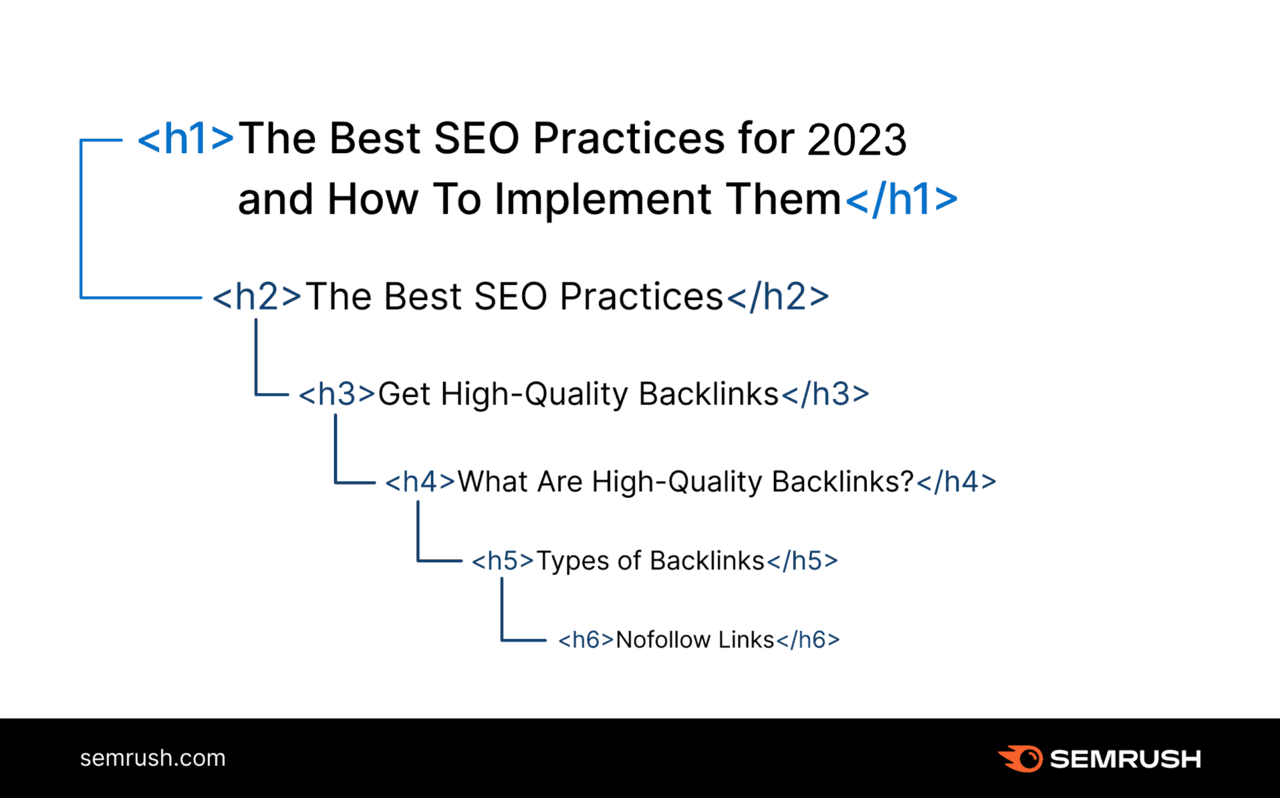
How to Write an SEO Blog Post: 11 Key Tips